
- The word yoga translates as union. Traditionally that meant union with the divine. Today it more often means integrating breath, body and mind.
- Ancient yoga was philosophy and meditation. Postures were barely part of it. The earliest written mention appears in the Rig Veda roughly 3,500 years ago.
- The physical practice almost everyone calls yoga is modern. It took shape in a palace in Mysore in the 1930s and travelled west through a handful of students.
- Patanjali's eight limbs are yoga's own definition of itself. Posture is limb three of eight. Half the path is about the mind.
- Modern yoga is exercise, subculture, therapy, a large industry and, for some, a replacement for religion. It is not a cure for everything, and practised badly it carries real injury risk.
- Your own working definition matters most. The yoga you will actually do beats the yoga you admire from a distance.
Yoga is two things wearing one name. One is a philosophy from northern India, thousands of years old, built around union and the quieting of the mind. The other is a physical practice some 300 million people do in studios and living rooms, most of it invented in the last hundred years. Both are real yoga. Knowing which one you are being offered is most of the answer.
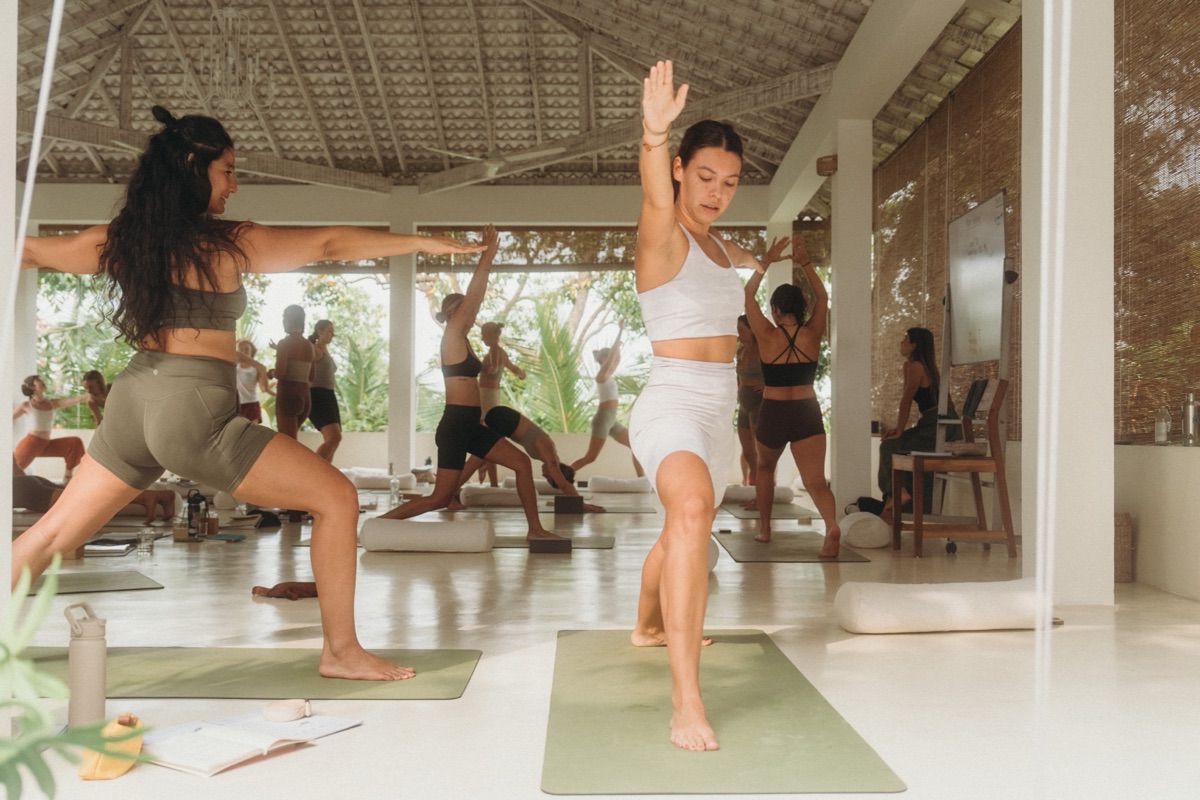
Ask ten people in our shala on Koggala Lake what yoga is and you get ten answers. Exercise. Stretching. Breathing. Something spiritual. A way to stop thinking for an hour. Nobody is wrong, and that is precisely the problem with the question.
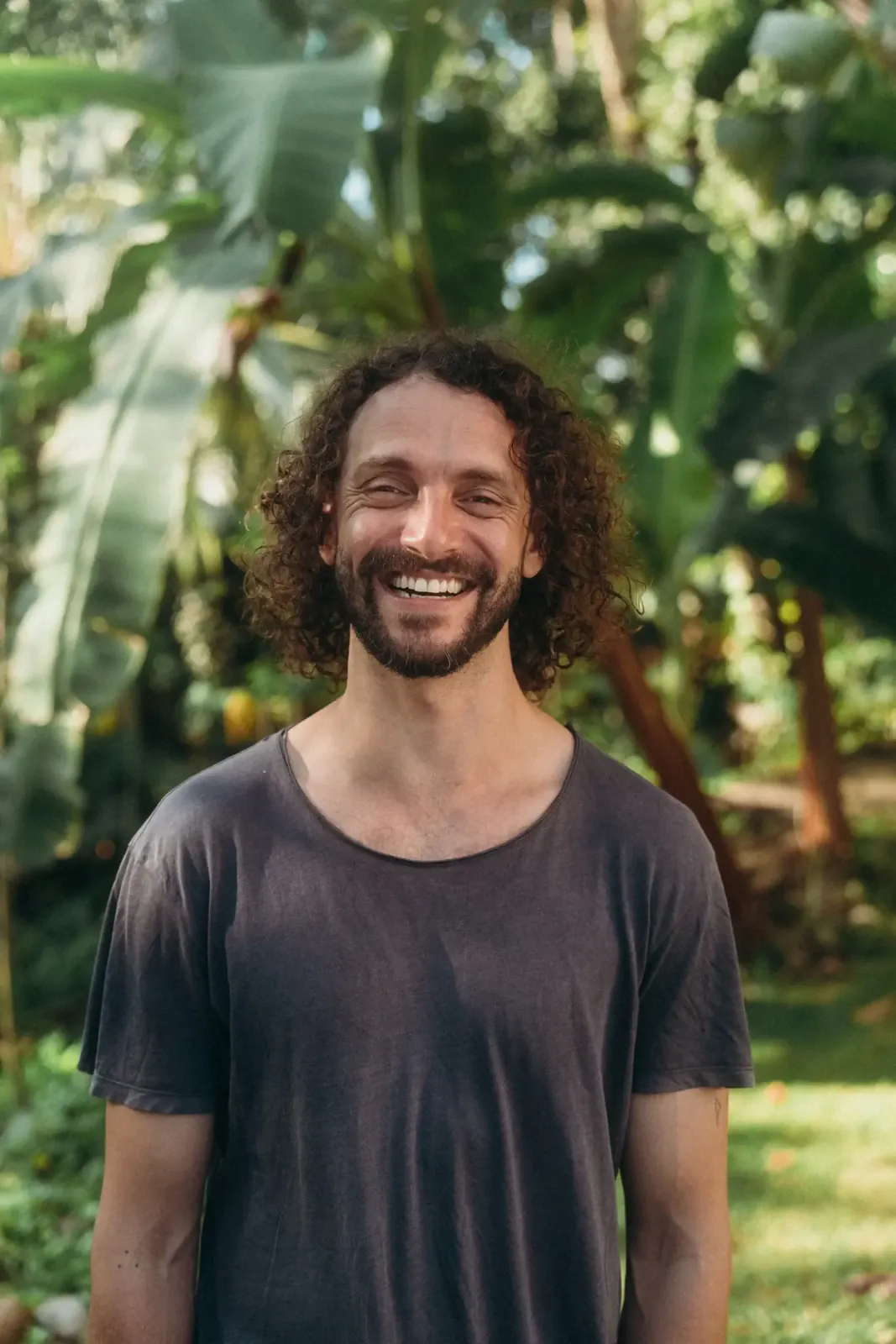
I am running a yoga teacher training in Sri Lanka, and the opening chapter of the manual we hand every trainee is titled exactly this: "What is Yoga". We start there because most people arrive with one definition and leave with a larger one. Here is my take on it.
What Is Yoga?
Yoga is a form of philosophy and practice from northern India, aimed at quieting the mind and experiencing union between the individual and something larger. In its modern form it is a physical and mental practice of postures, breathing and meditation, used worldwide for strength, mobility, stress relief and wellbeing.
The word "yoga" translates from Sanskrit as union. In the older context that meant dissolving the barrier between yourself, the world and the divine. In a contemporary class it means something more immediate: mind united with body, your attention actually in the room with you.
Ancient Yoga vs Modern Yoga at a Glance
| Ancient yoga | Modern yoga | |
|---|---|---|
| Roughly when | 5,000 to 500 years ago | Last 100 years |
| Main goal | Realisation of the self, union with the divine | Health, calm, strength, community |
| Main method | Meditation, ethics, breath, philosophy | Postures, breath, relaxation |
| Role of postures | Minor. Mostly seated positions for meditation | Central. Often the whole class |
| Taught by | Yogis, monks, gurus | Certified teachers, studios, apps |
| Text you would read | Yoga Sutras, Bhagavad Gita, Hatha Yoga Pradipika | Light on Yoga, an anatomy manual, an app |
What Yoga Was
Yoga's roots reach back over 5,000 years to the Vedic period. Art from that era shows seated figures often read as yoga postures, though if we are honest that is a generous guess. The earliest written reference we can point to appears about 3,500 years ago in the Rig Veda, where yoga is already tied to the idea of union.
Around 2,500 years ago the Bhagavad Gita turned those teachings into story, presenting yoga as a path toward personal improvement and closeness to God. Postures still barely feature.
Roughly 1,500 years ago came Tantra, which ritualised ordinary life and treated even taboo as a doorway to the spiritual. Out of Tantra, about 900 years ago, grew hatha yoga. Hatha means "with effort": the yoga of disciplined action. Its manual, the Hatha Yoga Pradipika, was written around 500 years ago and covers what to eat, what to wear and how to sleep, plus kriya, pranayama and meditation. Its posture section, five hundred years into the history of physical yoga, lists about fifteen shapes, most of them seated.
How Yoga Became a Physical Practice
The yoga you would recognise from a studio timetable is a twentieth century creation, and we can name who made it.
Tirumalai Krishnamacharya, born in South India in 1888, is usually called the father of modern postural yoga. In 1931 the Maharaja of Mysore employed him to teach the royal family, and he founded the world's first postural yoga school in a wing of the palace. What he taught there drew on his own study, but also on the wrestlers and gymnasts training in the same building. That is why modern yoga looks athletic.
Three students carried it outward. Indra Devi opened the first modern yoga studio in Los Angeles in 1948. B.K.S. Iyengar published Light on Yoga in 1966, introducing the props and modifications that made the practice available to ordinary bodies. K. Pattabhi Jois developed Ashtanga Vinyasa, the fixed daily sequence that later loosened into the vinyasa classes everyone knows. We cover that lineage in our guide to what vinyasa yoga is.
Modern yoga is not fake, just young, and it has always absorbed whatever was useful nearby.
Yoga's Own Definition: The Eight Limbs
If you want yoga to define itself rather than be defined by a timetable, go to Patanjali. Around 2,500 years ago he set out eight components of a complete practice, together called ashtanga, meaning eight limbs: ethics, personal disciplines, posture, breath control, withdrawal of the senses, concentration, meditation and samadhi, the state of yoga itself.
Notice where posture sits. Third of eight. Two limbs never touch a mat, and the final four are entirely about the mind. Modern yoga took limb three and built a global industry on it.
Patanjali also gave the shortest definition anyone has managed: yoga is the cessation of the fluctuations of consciousness. Yoga is not the pose. Yoga is what occasionally happens to your mind while you are in it. We unpack all eight in our guide to the eight limbs of yoga.
What Yoga Is Today
Ask what yoga is in 2026 and you are really asking about four overlapping things.
Yoga as mindful exercise. For millions it is their primary form of movement, and it does a lot well. Practised exclusively it leaves gaps, particularly in cardiovascular fitness and strength, so most people benefit from supplementing it.
Yoga as lifestyle, subculture and, for some, a replacement for religion. A recognisable identity with its own vocabulary, clothing and worldview, offering the ritual, philosophy and community that traditional religion once did.
Yoga as therapy. Yoga and meditation help large numbers of people manage pain, physical complaints and mood. Our guide on how to calm your nervous system covers the mechanism.
Yoga as big business. The global yoga market was valued at over $120 billion in 2024. Plenty of people enter it wanting to help, others for the money, and the language of energy exchange does not change the fact that this is a market.
The caveat I give every trainee: do not prescribe "yoga" as the answer to a problem. It is not one thing, it is not universally safe, and like any physical activity it injures careless practitioners. Ask which yoga, for whom, taught how.
What Happens in a Yoga Class
Styles differ less in their poses than in how you are asked to move.
| Style | What a class feels like | Best if you want |
|---|---|---|
| Hatha | Slower, postures held, time to notice | Foundations and clarity |
| Vinyasa | Flowing, movement linked to breath | Rhythm and a physical challenge |
| Yin | Long passive holds, floor based | Stillness and connective tissue work |
| Ashtanga | A fixed, demanding sequence, same each time | Structure and discipline |
| Yoga Synergy | Active movement, joints and spine, resistance work | Control, longevity, anatomy |
If you are choosing between the slow end and the fast end, we compare them directly in hatha vs vinyasa and yin yoga vs vinyasa.
How We Define Yoga at Lanka Yoga
Our trainings are built on Yoga Synergy, the method developed by physiotherapist Simon Borg-Olivier, blending traditional yoga, exercise based physiotherapy and movement practices from the Far East. Four principles carry most of it: move actively, move from the core, move fluidly, breathe naturally.
Move actively is the one that changes everything. Do not fall into shapes with gravity, and do not haul a leg into place with your arms, which is active for the arms and passive for the hip. Practised this way you build range you can control, the distinction we draw out in mobility vs flexibility.
So my working definition, after a decade of teaching: yoga is moving, breathing and paying attention in a way that leaves you calmer and more capable than when you started. Everything else is detail.
How to Start
- Go to a class before you buy a mat. The teacher matters more than the style.
- Choose slow first. You cannot learn what you are doing at speed.
- Move yourself rather than being moved. No teacher should push you past where you can take yourself.
- Three short sessions a week beats one heroic one. Twenty honest minutes beats ninety once a fortnight, for the reasons set out in how to get better at yoga.
- Give it six weeks. Most of the change happens in the nervous system, and that takes repetition. For structure, our guide to building a yoga sequence shows how a session fits together.
Frequently Asked Questions
What is yoga in simple terms?
Yoga is a practice of postures, breathing and meditation from ancient India. The word means union, and the aim is to bring body, breath and mind into the same place at the same time. Most people meet it as a physical practice, but that is only one part of it.
Is yoga a religion?
No. Yoga grew up alongside Hinduism and Buddhism and shares ideas with both, but asks you to sign up to nothing. Patanjali leaves the question of a higher power to your own interpretation, and the practices work whatever you believe.
What is the difference between yoga and stretching?
Stretching lengthens tissue. Yoga, done well, trains movement, strength, breath and attention together, and the stretching is optional. A practice built only on deep passive stretching builds range you cannot control, which is where many yoga injuries come from.
How is yoga different from exercise?
Mostly in attention. Yoga is exercise, but it asks you to notice what you are doing while you do it, and treats breath and relaxation as part of the work. It does not replace cardiovascular training or heavy strength work.
Do I need to be flexible to do yoga?
No, and stiff beginners often progress more safely than flexible ones. Flexibility is a possible result of practice, not a requirement for entry. The injuries we see most often happen to the most flexible people in the room.
What are the benefits of yoga?
Reliably: better mobility and strength, less tension, improved breathing, a calmer stress response and better sleep. Less reliably but often: clarity, patience and a workable philosophy for difficult weeks. It is not a treatment for a specific medical condition and should not be sold as one.
The Bottom Line about What Is Yoga
Asking what yoga is gets you a definition. Practising it gets you something more useful.
It began as a philosophy for quieting the mind, spent most of its history barely touching a mat, and became a physical practice only in our modern world. All of that is yoga.
If the question keeps pulling at you, it tends to lead somewhere. That curiosity is often the start of becoming a yoga teacher, and on our trainings in Sri Lanka we spend real time on this material, because knowing what yoga is makes the difference between simply teaching poses and effectively teaching people. If you want to live the question for a week before committing to a month of it, our yoga retreats in Sri Lanka are the shorter way in.