
Hi, I’m Stefan. I run Lanka Yoga on Koggala Lake, and over the past decade I’ve been involved in retreats from every angle — as the organiser, the facilitator, and the venue host. Hundreds of people have come through, and I’ve made a lot of mistakes (and seen a lot more) that I can save you from.
If you’re searching for a yoga retreat in Sri Lanka in 2026, this is the article I wish existed when I was a student looking for one. No fluff, no overselling — just a practical guide to when to come, what to look for, and how to book without regret.
I’ll mention our two retreats running in 2026 toward the end. The rest of this is genuinely useful regardless of where you end up booking.
1. The best time of year for yoga in Sri Lanka
Most travellers booking a yoga retreat in Sri Lanka end up on the south coast — it’s a 90-minute drive from Colombo airport, it’s where most of the lake-and-ocean retreat venues are clustered, and it’s where the food, beaches and culture are at their most accessible. So that’s what this section is about.
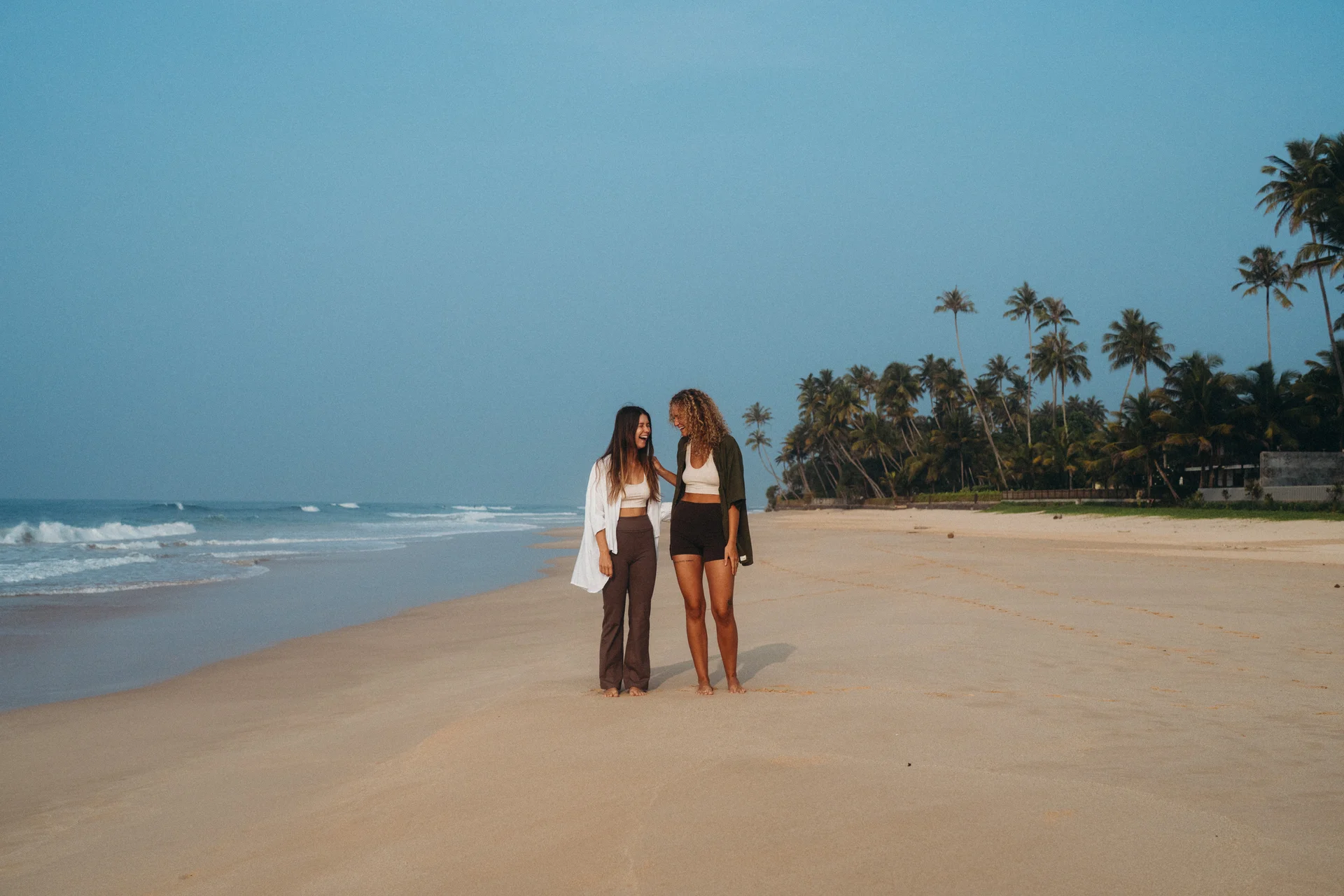
The south coast has two seasons, and they don’t really map onto how Europeans think about weather.
Surf season (November to April). This is what most people consider “peak season.” Warm, dry, calm seas, sunset over the lake every evening. Flights fill up, retreat centres book out 3–6 months ahead, and December–February draws northern hemisphere travellers escaping winter. It’s busy but for good reason.
Wet season (May to October). Honestly? Way nicer than you think. Yes, there are tropical downpours, but they’re often short and dramatic rather than all-day grey. The countryside turns brilliantly green, prices come down, the crowds disappear, and the retreats that run during this window tend to be smaller and more intimate. The trade-off is that surf is gone — but if you’re here for yoga, that’s irrelevant. We run a retreat in May for exactly this reason.
The shoulders (May, October–November). The sweet spot if you want quieter retreats with mostly dry weather and lower prices. Not as guaranteed sunny as December, not as quiet as monsoon proper, but a really nice middle ground.
If you want a guaranteed sunny window in 2026, aim for late November through March. If you want quieter and cheaper, look at May or October.
2. How far in advance should you book?
Honestly — it doesn’t matter as much as people think.
If a retreat has availability, it has availability. Some travellers love to plan six months out. Others decide on a whim three weeks before flying. Both work.
Plan-ahead types: aim for 4–6 months out. You’ll get the room you want, cheaper flights, and your work calendar stays sane.
Last-minute types: there are still spots available for retreats running in just a few weeks (we have May 2026 spots open as I’m writing this). If the dates work and the retreat sounds right, just book it.
The one exception is December dates. They fill fastest because everyone wants the Christmas–New Year window. If December is non-negotiable, look earlier.
3. What to look for in a 2026 yoga retreat
This is where most “yoga retreat guides” turn into vague nonsense. Here’s what genuinely matters.
The actual teachers, not the brand
Some retreat centres run beautiful properties but bring in different teachers every week, often with little vetting. Ask: who is leading my retreat, what’s their training, and how long have they been teaching? Read their bio. If you can’t find one, that’s a flag.
The group size
A “yoga retreat for 30 people” is a different experience from one for 12. Bigger groups mean less individual attention, less intimacy, and often a more polished-but-impersonal feel. Neither is wrong — just know what you want before you book.
The venue itself
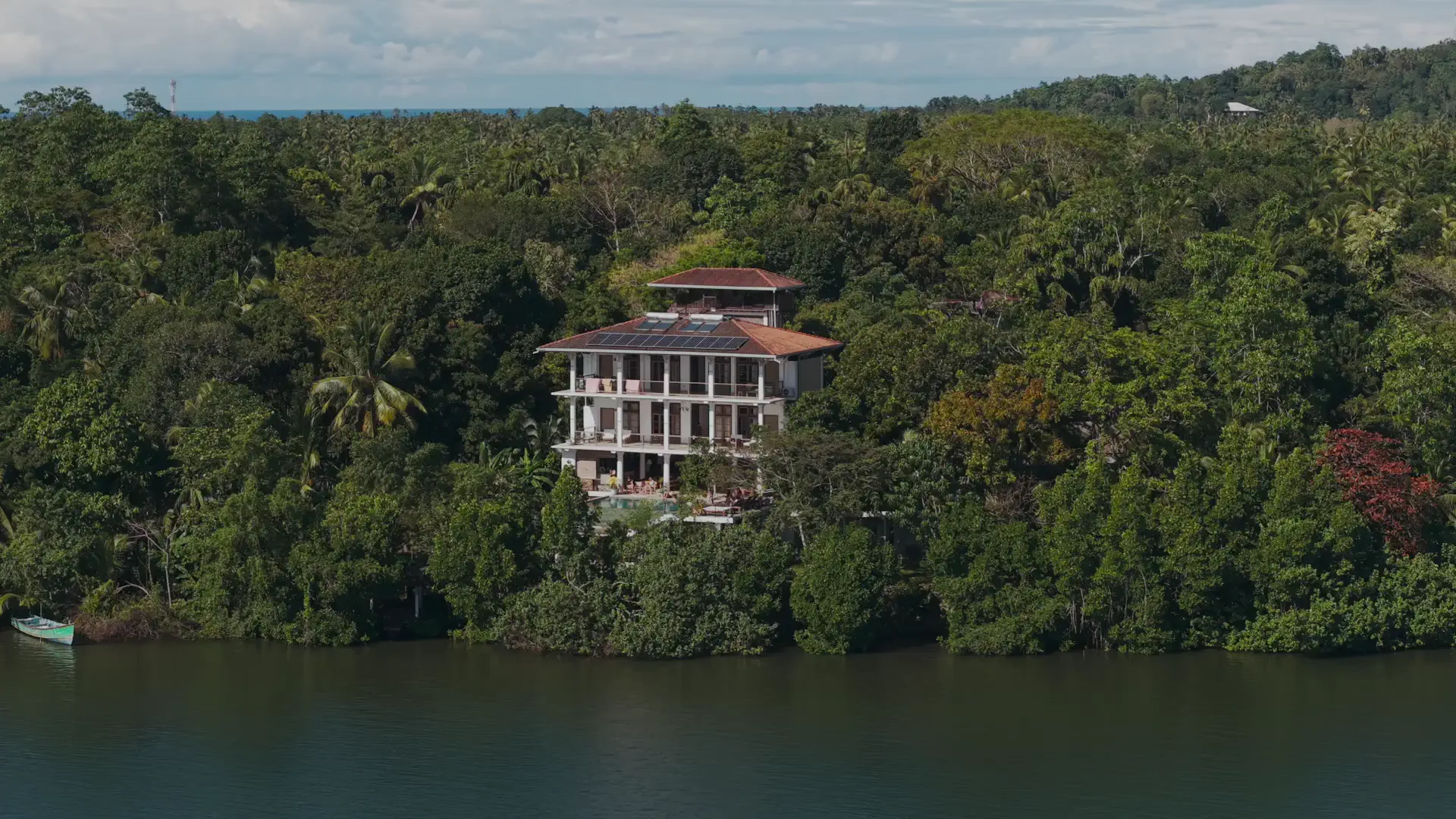
Some retreat venues are purpose-built for yoga: dedicated shalas, considered acoustics, the property designed around the practice. Others are essentially hotels with a small studio bolted on. Both can work, but they’re different experiences. A purpose-built venue tends to feel like a retreat from the moment you arrive. A hotel-with-shala can feel like a holiday with yoga sessions added. Look at the photos. Look at the shala specifically — is it a real space, or is it a concrete room with a couple of mats?
What’s actually included
Some retreats list a low headline price then charge extras for everything — airport transfer, excursions, certain meals, even mat rental. Others bundle it all in. A €1,200 all-inclusive can be cheaper than a €900 retreat once you add the extras up. Always read the “what’s included” section before comparing prices.
The food
You’ll be eating three meals a day, every day, for a week or longer. If you have dietary requirements — vegan, gluten-free, allergies — confirm in writing before you book. Sri Lankan retreat food can be incredible (we run a fully vegan kitchen at Lanka Yoga) or it can be repetitive curry-and-rice. Ask for a sample menu.
The yoga style
“Vinyasa” and “yin” mean different things to different teachers. If you have an injury or a specific practice, ask whether the retreat will accommodate you, or whether you’ll be expected to keep up with the group regardless.
4. Ocean or mountains?
The two main retreat regions in Sri Lanka are the south coast (lake and ocean — Galle, Mirissa, Weligama, Koggala) and inland hill country (forest and mountains — Ella, Kandy, Nuwara Eliya).
Simple way to choose:
- If you love the ocean and want to be near water — go south.
- If you love mountains and forest and want to be inland — go up to the hill country.
Both are genuinely excellent. The south coast is easier for shorter retreats because the airport transfer is quick. Hill country rewards a longer stay because the drive eats more time but the cooler climate and dramatic scenery are worth it. Neither is the “right” answer — it depends entirely on what landscape feeds you.
5. How much should a yoga retreat in Sri Lanka cost in 2026?
A reasonable range for a 6–7 night retreat with full board and yoga twice daily:
- Budget retreats: €600–800 per person (shared rooms, simpler venues)
- Mid-range: €900–1,300 (private rooms, better food, smaller groups, more experienced teachers)
- Premium: €1,500–2,500+ (luxury accommodation, internationally known teachers, bespoke programmes)
Anything below €500 for a full week is usually cutting corners somewhere — teacher pay, food quality, or group size. Anything above €3,000 is paying for either the property’s luxury or the teacher’s name, not the yoga itself.
For context: our own retreats run €800–1,400 depending on dates and accommodation choice. That’s mid-range — small group (max 16), Sri Lanka-based teachers who live here year-round, full vegan kitchen, lake-view venue.
6. The two retreats we’re running at Lanka Yoga in 2026
Now the part where I’m honest about our own offerings. We run two in-house retreats led by our resident teachers — the Synergy Vinyasa Retreat and the Reset Retreat. (Plenty of other retreats run at our venue throughout the year, hosted by visiting teachers; you’ll find them on our retreats page.)
Synergy Vinyasa Yoga Retreat — May and August 2026
- 3–9 May 2026
- 6 nights, from €800 per person
- Daily Synergy Vinyasa practice, anatomy-based movement, vegan kitchen
- Led by our resident teachers Marilena and Dushyantha

Reset Yoga Retreat — December 2026
- 13–19 December 2026
- 6 nights, from €1,100 per person
- Slower-paced therapeutic yoga, nervous system workshops, end-of-year reset
- Led by Katerina and Lea
If neither of those fits your dates, our main retreats page lists everything else running at Lanka Yoga in 2026, including retreats led by visiting teachers bringing their own groups to our venue.
7. How to actually decide
If you’ve read this far, you probably already know what you want. The decision usually comes down to three things:
- Dates — when can you actually take a week off?
- Style — do you want a vigorous retreat or a slow restorative one?
- Vibe — small intimate group vs. larger more social one?
Once you know those three things, three or four options usually self-select. Email each one and ask: who’s teaching, what’s the group size, what’s actually included, and can I see a recent menu? The ones who answer clearly and warmly are usually the ones worth booking.
Whichever you choose, Sri Lanka in 2026 is a beautiful place to land for a week. I hope this guide helps. If you want to chat about whether one of our retreats is right for you, get in touch — I read every email.
Frequently asked questions
When is the best time of year for a yoga retreat in Sri Lanka?
For the south coast, surf season (November–April) is the most popular — warm, dry, ocean-swimming weather. Wet season (May–October) is far nicer than people expect: green countryside, smaller crowds, lower prices, and the rain is usually short rather than all-day. The shoulders (May, October–November) are the sweet spot.
How far in advance should I book a 2026 yoga retreat in Sri Lanka?
It depends on you. Plan-ahead travellers aim for 4–6 months out. Last-minute bookers can usually find something running in the next few weeks. The one exception is December — those dates fill fastest, so book earlier if December is non-negotiable.
How much does a yoga retreat in Sri Lanka cost?
Mid-range retreats run €900–1,300 per person for 6–7 nights with full board. Budget options exist around €600–800; premium retreats run €1,500–2,500+.
Do I need yoga experience to attend a retreat in Sri Lanka?
Most retreats welcome all levels. Some target beginners specifically; others assume regular practice. Always check the retreat description and email the organisers if you’re unsure.
What’s the difference between a yoga retreat and yoga teacher training?
A retreat is a holiday with yoga — typically a week, no certification, no exams. A yoga teacher training is an intensive course (usually 200 hours over 3–4 weeks) that certifies you to teach. Different intent, different cost.
Is December a good time for a yoga retreat in Sri Lanka?
Yes — December is peak season on the south coast. Warm, dry, ocean swimming weather. Northern Hemisphere travellers love it as a winter escape. Book early; December dates fill fastest.
Should I choose a coastal or inland retreat?
If you love the ocean and water, go south. If you love mountains and forest, go inland to the hill country. Both are excellent. The south coast is easier for shorter retreats because the airport transfer is quicker.
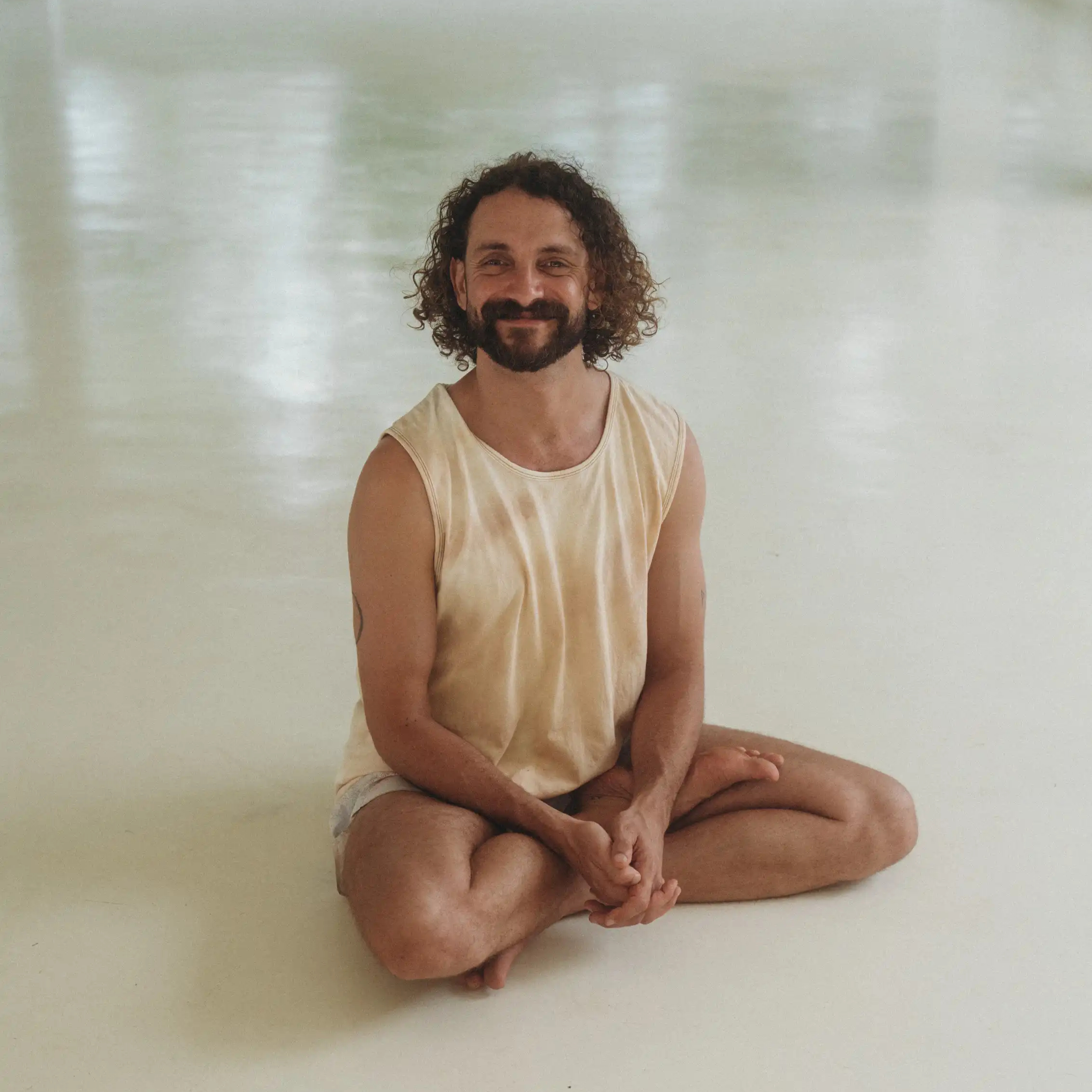 | Written by Stefan Camilleri Founder of Lanka Yoga and a Yoga Synergy teacher trainer with over a decade of experience leading 200hr trainings and retreats. Based in Sri Lanka, with 500+ graduates teaching across five continents. |